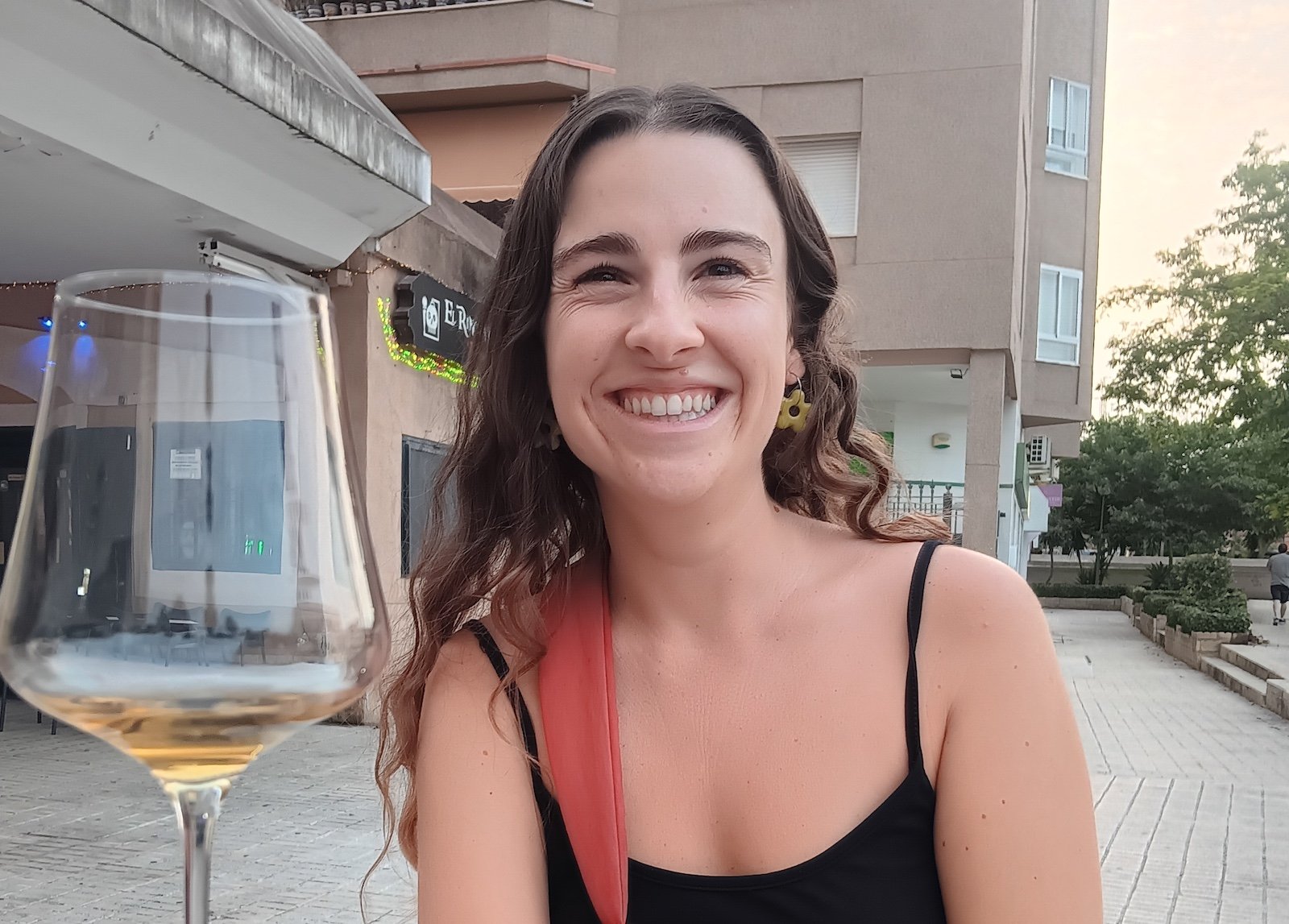
“Can you teach normal Spanish too?”
There was a brief pause while each of us processed my question. We’d only just met Carmen, after she found my blog and subsequently suggested we catch up for a drink. She teaches Andalucían Spanish, the distinction important because, while still technically castellano Spanish, the Andalucían dialect is as different from Madrid Spanish as Scottish English is from rural Australian.
Of course Carmen can teach ‘normal’ fucking Spanish! She’s a multi-lingual Spanish woman who is also, best I can tell, perfectly normal, and has been teaching Spanish to slow-witted fucks like me for half a decade. But being a born-and-bred Jerezana she’s developed a niche business for clients seeking to migrate to our part of the world – Andalucía.
Not only is the accent different here in the south (in andaluz it’s typical to drop off the s of many common words, so los amigos becomes loh amigo) but over centuries they’ve developed a unique vocabulary, idioms and slang terms that you just won’t hear elsewhere in Spain.
Carmen reckons that building a new language goes hand in hand with understanding the culture, and it’s on this basis that she’s designed her course. If you understand the region’s history and some of the reasons why andaluz sounds the way it does, she says, it becomes easier to learn.
The revelation struck me that this was akin to what Jess and I have been calling ‘patterns’, in that it’s not enough to learn a language through studying vocabulary and pronunciation – you have to experience the day-to-day instances of how things work. How to order a beer, how to be patient when the waiter ignores you, what the operator is likely to say when you get to the checkout; how to block an entire footpath using two old ladies and a small dog, and how not to care when it happens. (You can read about our pattern language hypothesis in another post.)
Related revelation: I’ve always found it odd/cute/frustrating/amusing how the Spanish are seemingly oblivious to being in the way of other pedestrians. Carmen just says, well, it’s how we know we’re relaxed. That we’ve slowed down. If you’re in someone’s way, so what? The affected person will get by soon enough. If someone blocks my way I also will not be bothered about it. There’s no hurry.
(I wonder if there’s a register for how many Spanish tourists have been trampled to death on the streets of Manhattan or Sydney.)
An economist by training, Carmen shunned the world of moving money from one place to another place and instead took to teaching Spanish as a second language, initially in northern France, and then back in Andalucía after she realised that it’s much too cold in northern France. Her business is called Charlando con Carmen (‘chatting with Carmen’), an all-online, all-welcoming, all-singing-and-dancing coaching system designed to seamlessly induct foreigners like us into the magically coloured world of Andalucían language and culture.
Carmen grew up in Jerez so she knows the town inside-out. She chose our drinking spot, Albariza en las Venas, a specialty wine bar run by young people and showcasing the best wines that Cádiz has to offer. (Albariza is the term for the sherry region’s porous white soil, without which there would be no sherry.) After a clumsy negotiation about what kind of wines we like, we were given a couple of glasses of an extraordinary fino and a white, tasted, and somehow restrained ourselves from ordering six more on the spot. Really good stuff. If you’re in Jerez for the wine – for many it’s the main reason they come – don’t miss this place.
Anyway, back to Carmen. Andalucían Spanish has a reputation as being too hard, she says. Pshaw! Or whatever your own regional 17th century scoffing sound is. She says that the locals here are extremely welcoming and forgiving; try asking for your drink in Spanish, make mistakes, and no one will mind – in fact they’ll really appreciate your effort, annoyed as they are by some tourists’ expectation that they should understand English. Throw in a couple of local expressions and you’ll soon be part of the community.
I can confirm all of this. Only yesterday I asked a barman in Spanish for two beers and a hot leek, the distinction between the Spanish for ‘leek’ and ‘dog’ being marginal to the untrained speaker. But he knew what I meant – after all, you can only find hot leeks on a Sunday.
Sin problema.
_____________
Follow Carmen on Facebook: https://www.facebook.com/share/19Qi25Mtca/
Download her welcome to Andalucía guide: charlandoconcarmen.subscribepage.io
