Las carreras de caballos de Sanlúcar
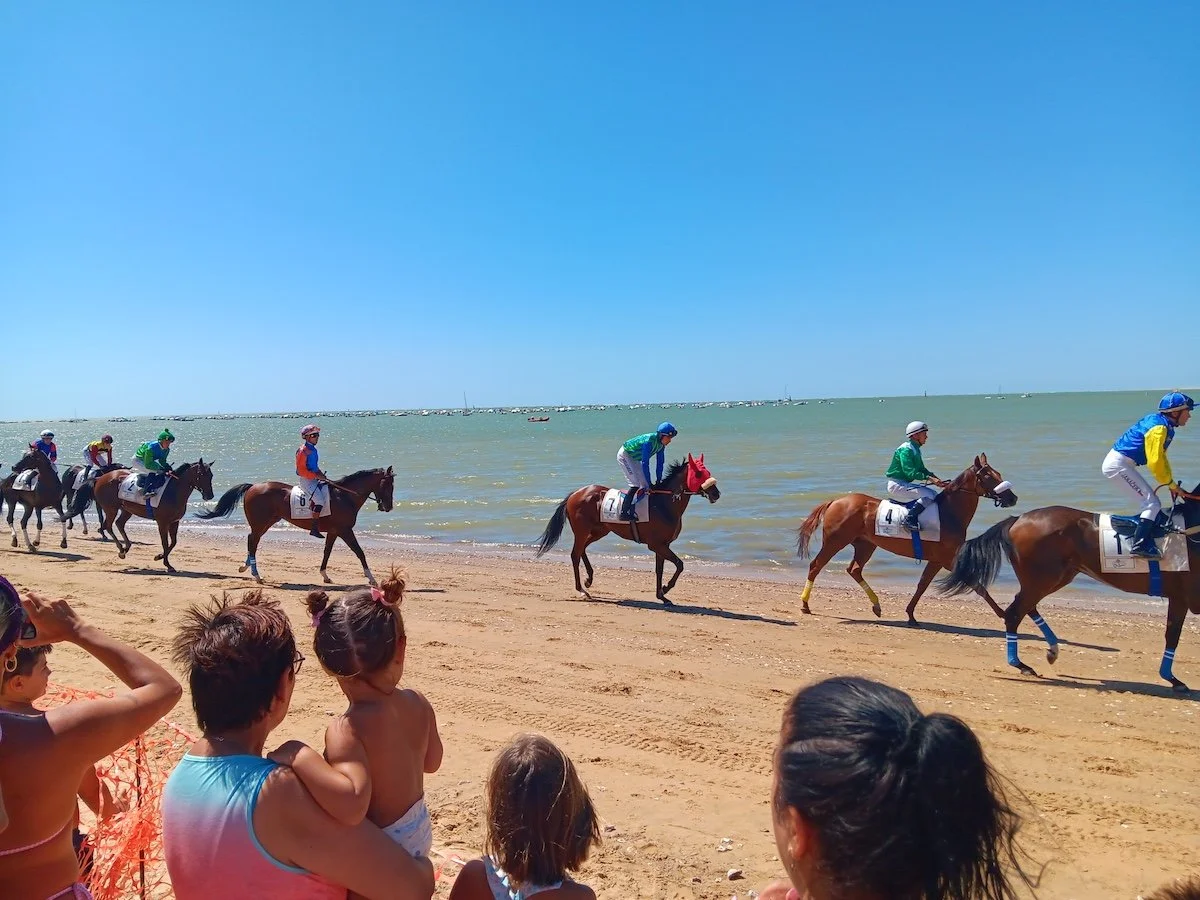
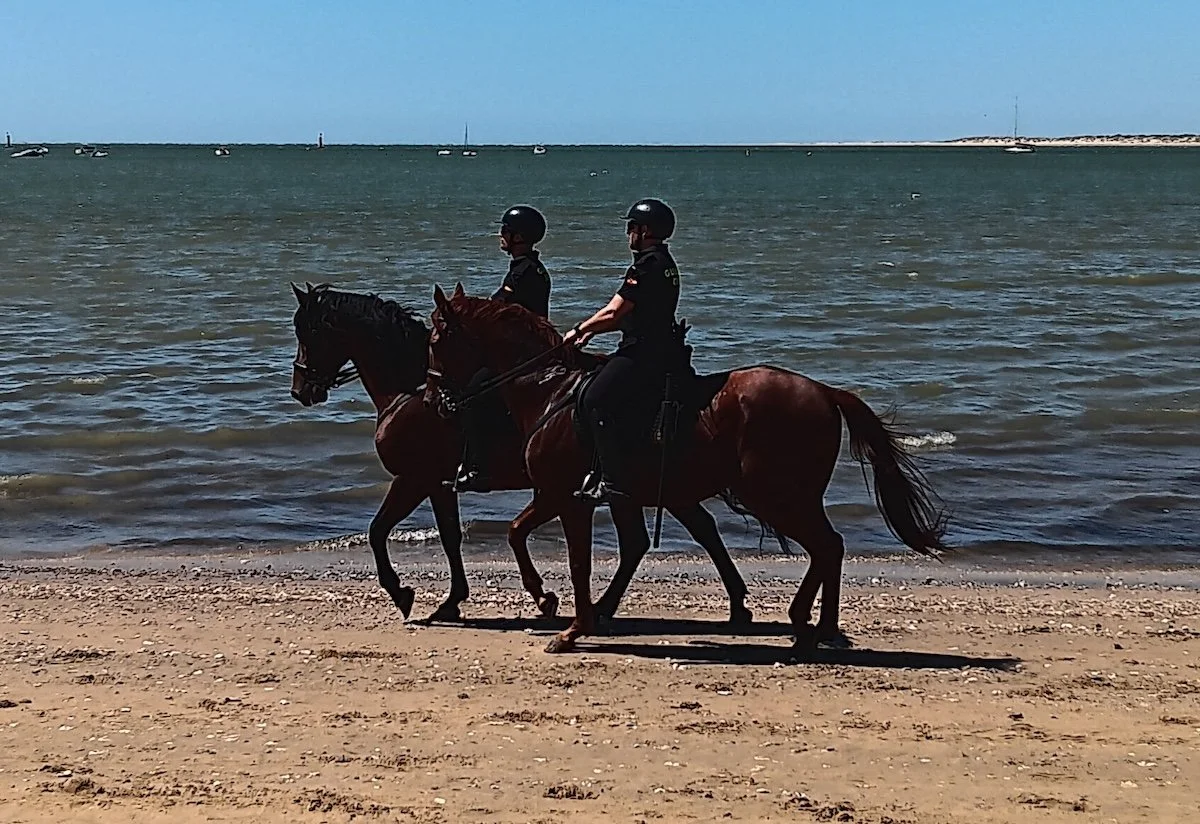
A few minutes before eight thoroughbreds are due to come thundering along the narrow strip of sand between the receding tide and a flimsy piece of plastic barrier mesh, a police officer – one of a number stationed at intervals along the 1.8 kilometre course – blows his whistle. It’s the signal for swimmers to leave the water and climb back through the fence onto the safety of the soft sand. This sternly delivered whistle is a modest public safety measure indeed, its goal presumably being a horse-related trampling incidence of somewhere approaching, but likely not, zero.
Seriously, if the annual beach races, the Carreras de Caballos, at Sanlúcar were held in Australia we’d have a two-metre-tall wire barrier between us and the course, and possibly snipers poised to take down anyone who might get close enough to endanger the wellbeing of a rich person’s livestock.
We missed last year’s races and so this year we decided that come hell or low water we’d get there. Regrettably it’s one of those rare local festivals that for we Jerezanos necessitates the use of motorised transport to get to. (It’s only a six-hour walk, I said, but Jess wasn’t keen.) Forty minutes on a bus is fine on paper but what’s the plan if the bus is full? It’s a popular event, after all. The consequences triple in severity after the event as everyone tries to board the last bus and flag the last taxi the second the last rider crosses the line.
We bit the bullet anyway and took our place in the hot hot sun at a bus stop near our place, then had the problem solved for us when after 30 minutes of waiting it hadn’t arrived.
“Fuck this,” we said, and went to a bar for lunch.
There was still time to rescue the situation though: we’d simply cough up roughly €40 and take a taxi. Like a civilised person.
Always the pessimist, my expectations were that the beach would be standing room only and we wouldn’t be able to see a damn thing; that we wouldn’t be able to get a drink or find a toilet; and it wasn’t against the realms of possibility that I’d somehow still get trampled by a horse because I’m not that accustomed to police whistles.
What we found was quite the opposite. Sure, there’s a VIP section near the finish line where the ticketed hoity-toity sip fino and suck the bones from grilled sardines that you’ll never get into, but we had no trouble at all finding a vantage point right up against the barrier tape about half way along the course, conveniently near one of Spain’s famous chiringuitos, a beach bar.
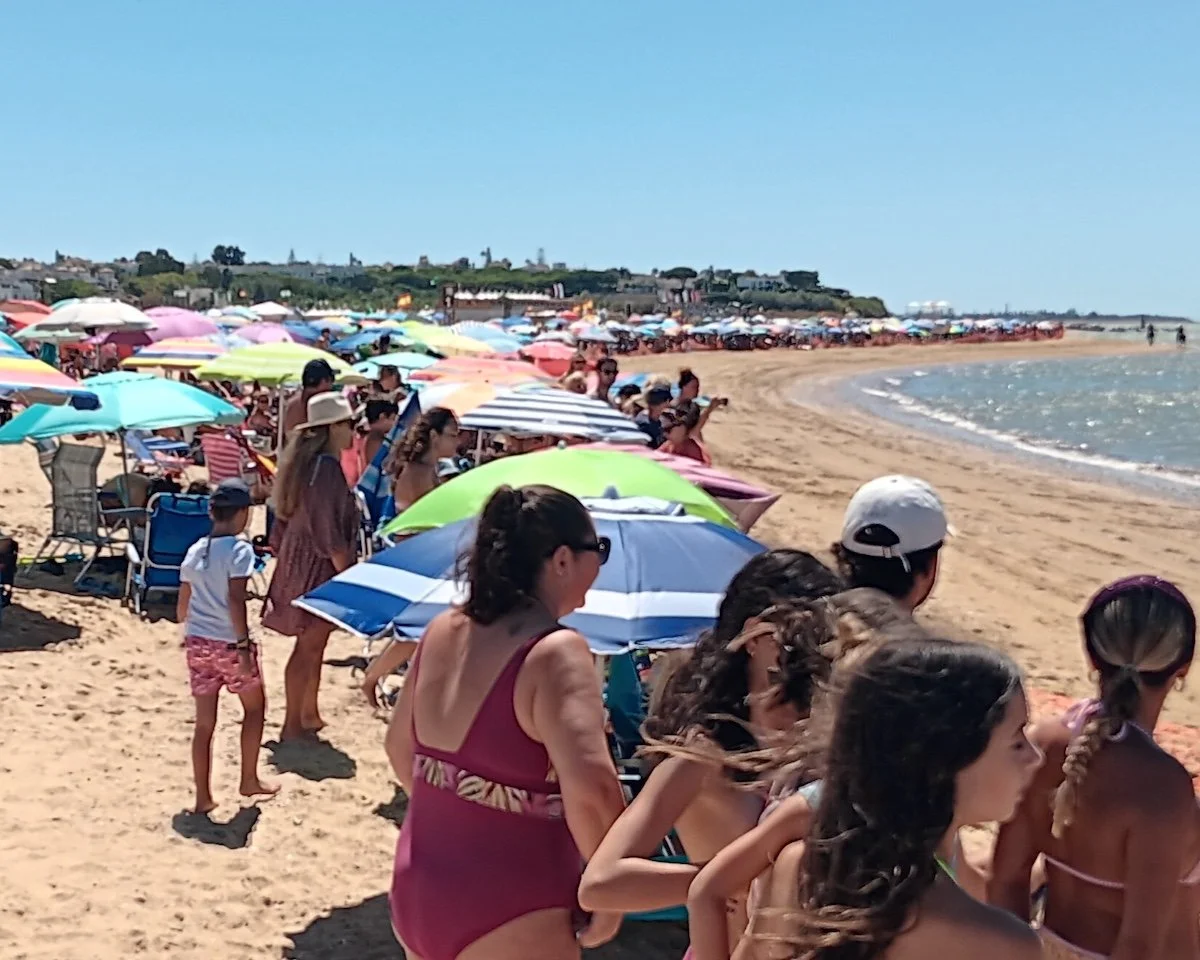
Admittedly this was half an hour before the start of the first race early on a Friday afternoon, but even an hour or so into the races there were still plenty of places along the course where you could get a good view. I think that after knock-off time, however, or on day two or three (Saturday and Sunday) space might be at slightly more difficult to find.
Anyway, we were perfectly comfortable today. The heatwave of the past month or so was over. It was still about 30 degrees C but a stiff breeze was keeping everything just dandy while not being strong enough to blow sand into one’s crevices.
It’s school holidays at the moment, so the huge beach would have been a much-peopled destination even on a quiet day, but today was clearly an especially festive time for hundreds of local families. Dotted everywhere were umbrellas, those little legless deck chairs, beach towels, mums and dads armed with sunscreen and hats pursuing toddlers, coolers full of ice but fuller of cans of beer, and beachwear that seemed to go right up the … umm … middle, giving a tittilatory effect more or less inversely proportional to the girth of the wearer.
Bang on 15 minutes late, proceedings began with the policeman’s whistle and the exodus of the masses from the sea. The base of events and where the horses are stabled is at the course finish line so in order to begin the race the competing duos must first slowly make their way down the beach to the start gate. It’s fun to watch a bunch of jockeys trying to control mounts who are figuratively and literally champing at the bit to launch themselves full tilt at the sandy horizon.
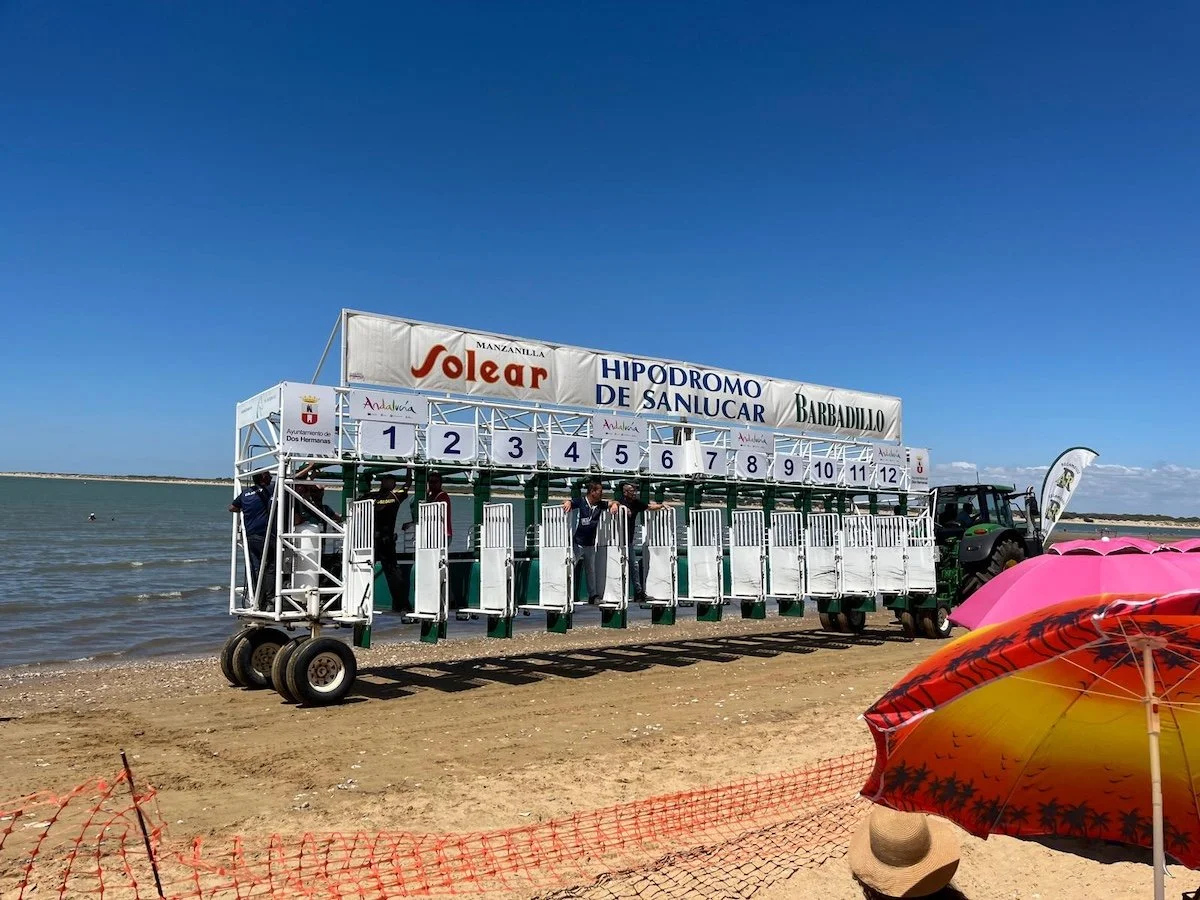
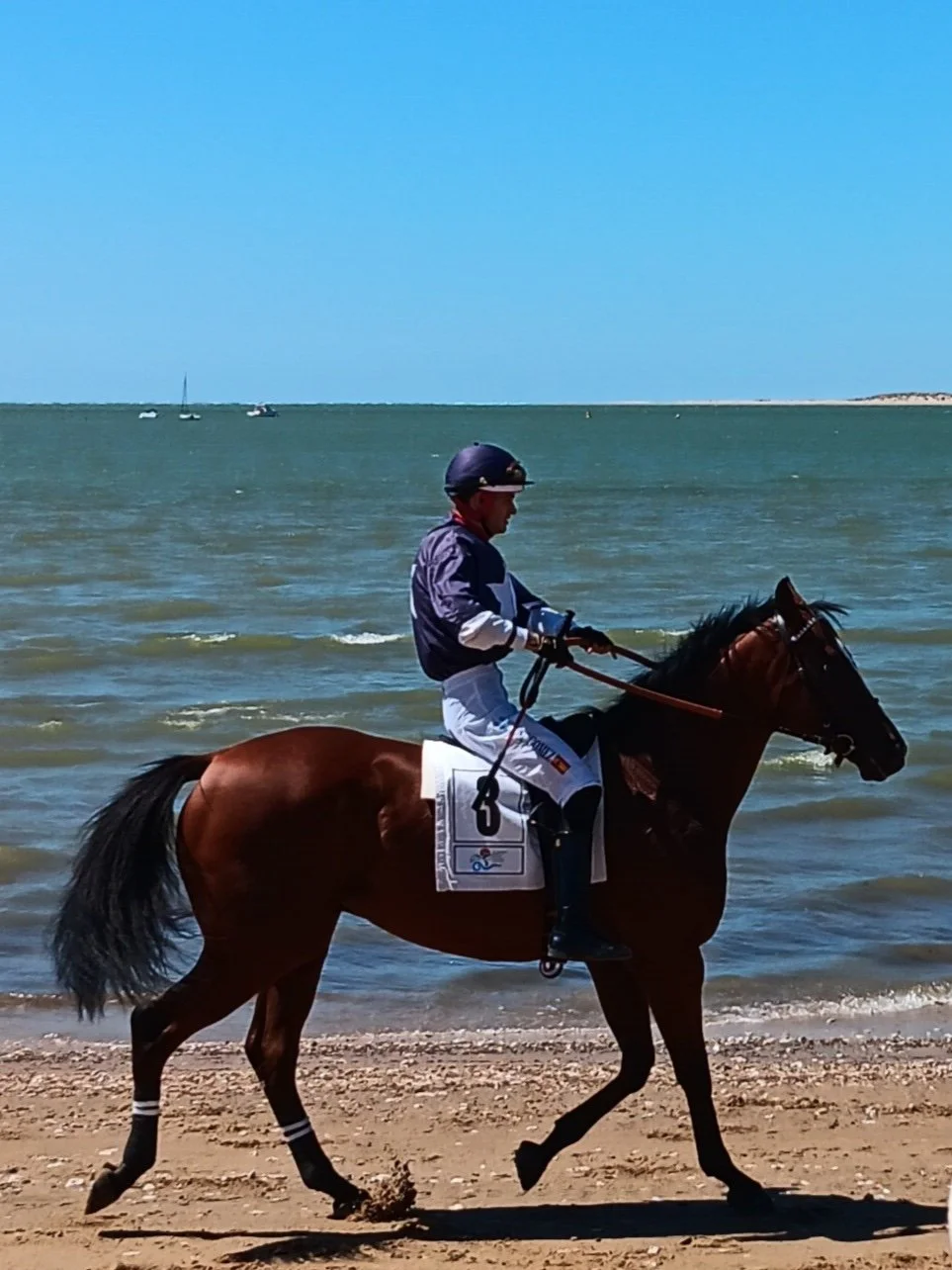
A few minutes after this relatively sedate procession, the steeds have been poked into their starting stall and someone out of sight has said go. Seconds later they come past at full race pace. The beach is far from a straight line, so depending on the coastal curvature at the point you’re standing you might get little notice that they’re arriving; by definition racehorses are rather quick and the spectacle is over in seconds. But what a spectacle it is. Horse racing is obscenely big in Australia, so most of us have grown up watching big races on TV if not at the track, but there ain’t nothing like this in Oz.
After the second race, around 5pm, we took the coward’s way out and fled the scene. We just didn’t want to risk not being able to get home. Plus I have a very short attention span, I dislike waiting for more than two minutes for a beer, and, let’s face it, if you’ve seen one horse equivalent of a motocross scramble you’ve seen em all. It was time to get back to familiar turf and restore my drink-life balance.
On our way off the beach we felt we’d made the right decision. The after-work horde was indeed on its way to the beach in platoons of small-family units, their total numbering in the thousands. The bars dotted along the course were busy enough early in the day – the evening ahead was going to be mayhem, which is my least favourite kind of hem.
Another taxi ride home followed – we chickened out on tackling the bus system once again – which meant that we’d spent about €90 in total (not including drinks) to witness one of the south of Spain’s most anticipated events. Next time we’ll get to the bottom of the bus situation though – the 40-minute ride both ways would have cost us a tenth of that. (We had looked at staying the night and weren’t surprised to find even modest offerings some ways from the beach going for €400. Plus the cat would have been furious.)
That night we hung out at the Bulería flamenco concert for a while. We could walk there from our place, and there was a very low – but not zero – chance of being trampled by a horse.
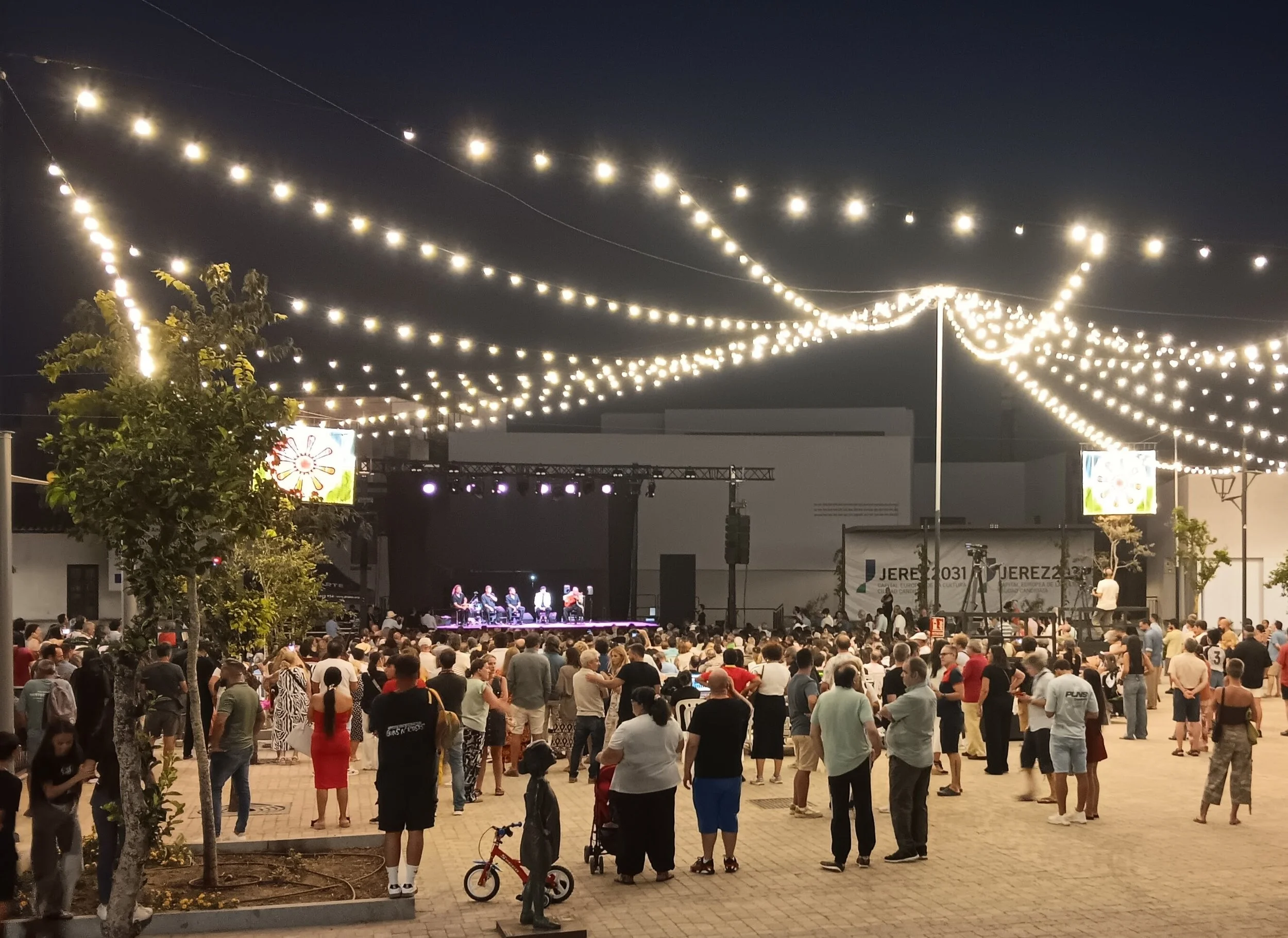
The Carreras de Caballos festival is held over two weekends – a total of six afternoons of racing – with the dates set to line up with low tide. The last of the five races of the day is usually set to coincide with sunset. On Sanlúcar’s west-facing beach it’d be a sight to behold.
